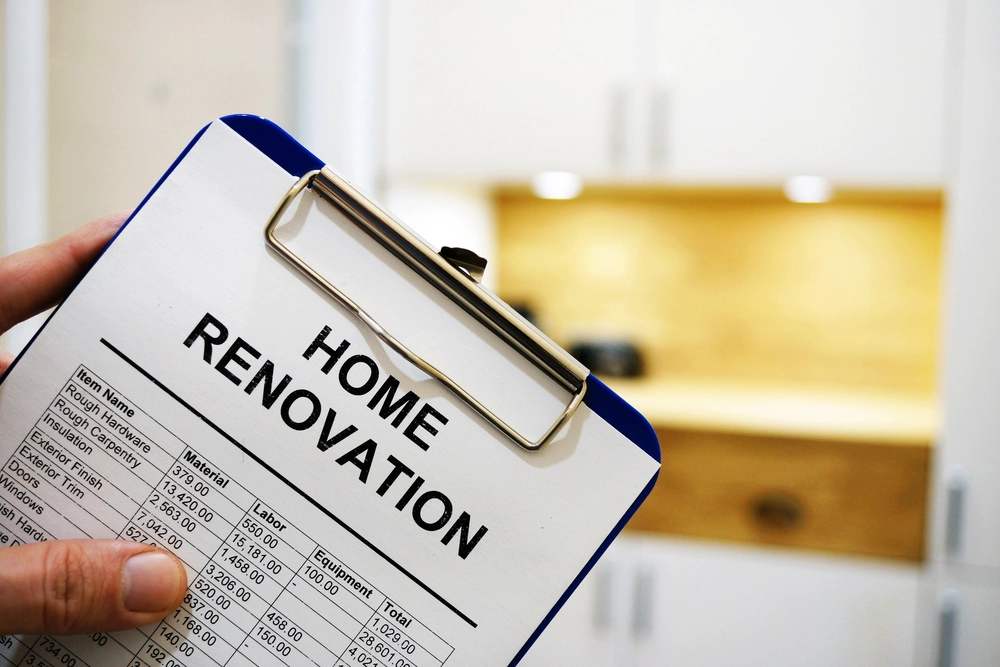

You call for a remodel estimate, and the contractor says, “I’ll get back to you in 2-3 days.” You’re thinking, “Can’t you just give me a ballpark right now?”
Here’s what most homeowners don’t realize: a professional cost estimation process isn’t quick math. It involves site visits, measurements, material research, subcontractor bids, permit checks, and risk assessment. The difference between a rushed estimate and a thorough one? About $10,000 in unexpected charges halfway through your project.
After 15+ years in restoration and remodeling across Fresno County, we’ve refined our cost estimating procedure to be both thorough and efficient. Here’s exactly what happens between your call and receiving your estimate and why shortcuts lead to expensive surprises.
Why a Detailed Remodeling Estimate Protects Your Budget
A vague remodeling estimate isn’t just frustrating; it can get expensive fast. When a contractor estimate leaves out critical details, homeowners often end up paying more through:
- Change orders that can increase your final cost by 20–40% in some cases
- Project delays caused by missing permits or unavailable materials
- Contractor disputes that can slow down or completely stop progress
For example, last year a Fresno homeowner hired the lowest bidder for a bathroom remodel. The $15,000 estimate seemed like a great deal until the contractor “discovered” outdated plumbing that needed replacing (+$8,000). Then permit fees weren’t included (+$1,200). Final cost? $24,700.
That’s why a remodeling estimate should never be just a single number. A detailed construction estimate breaks down the full project cost, including labor, materials, permits, timeline, allowances, exclusions, and change-order terms, so you can avoid surprises before work begins.
Next, here’s exactly what should be included in a professional remodeling estimate.
Understanding the Project Cost Estimation Process
What is the process of project cost estimation? It’s a systematic approach to predicting the total financial investment required for a project, including labor, materials, equipment, permits, overhead, and contingencies.
What It IS:
- Detailed analysis of project scope and requirements
- Research-based pricing using current market rates
- Risk assessment and contingency planning
- A roadmap that protects both homeowner and contractor
What It ISN’T:
- A quick guess or “ballpark figure”
- Set in stone (estimates can be refined as scope becomes clearer)
- A guarantee of final cost (that’s a quote or fixed-price contract)
- Something that should take 5 minutes over the phone
Key distinction: An estimate is an educated prediction based on known information and can change if scope or conditions change. A quote is a fixed-price commitment for a specific scope. A bid is competitive pricing for defined project work.
At Central Cal Restoration, we provide detailed estimates, not rough guesses. This takes more time upfront but eliminates costly surprises during construction.
Cost Estimation Steps: Our Process Broken Down
While industry standards outline 12 steps for large commercial projects, residential restoration and remodeling follow a streamlined but thorough approach.
Step 1: Initial Consultation & Project Definition
We discuss your project goals, vision, budget range, and timeline. We identify must-haves versus nice-to-haves and establish a preliminary scope.
For restoration projects, we ask, “What’s driving this project?” Water damage? Fire damage? Insurance claim?
Timeline: 30-60 minutes
Step 2: Site Visit & Assessment
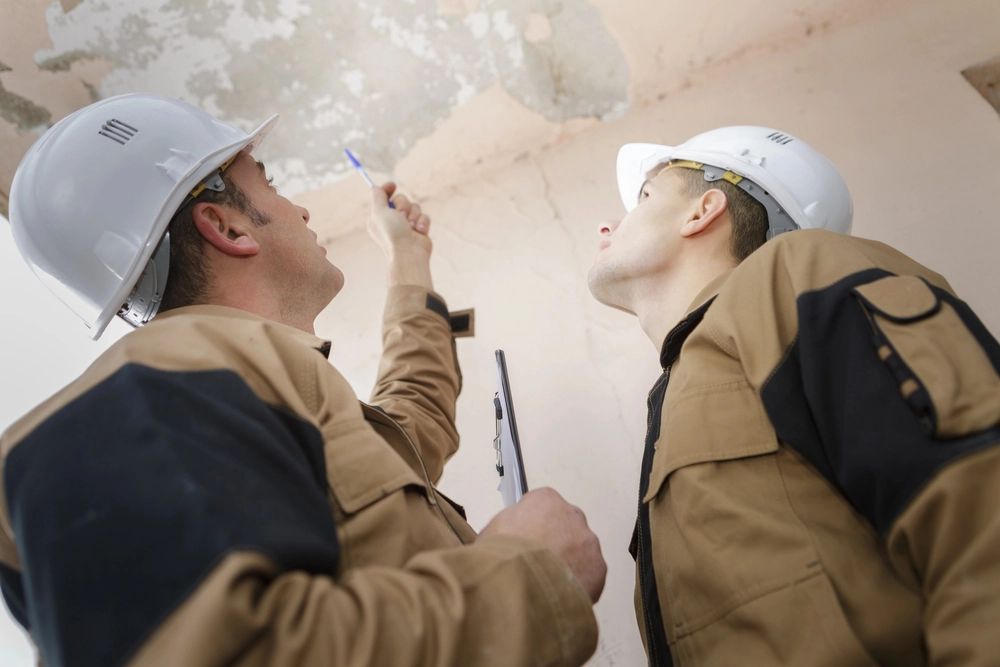
This is where theory meets reality. We physically inspect the project area, take measurements, document conditions with photos and videos, and identify existing conditions that affect costs foundation issues, outdated electrical, hidden water damage, and structural concerns.
We bring moisture meters, thermal cameras, and inspection tools to every site visit. If there’s hidden damage, we find it now, not mid-project when it becomes an expensive “surprise.”
Timeline: 1-2 hours on-site
Step 3: Scope Documentation
We create a detailed work breakdown structure listing every task required, defining deliverables, and establishing project boundaries (what’s included and what’s excluded).
Timeline: 2-4 hours
Step 4: Quantity Takeoff
We calculate exact material quantities needed: square footage, linear footage, and unit counts. We build a materials list with specifications and include waste factors (5-10% depending on material).
Example: For a 200 sq ft bathroom, we calculate 220 sq ft of tile (10% waste), 2 boxes of grout, 3 bags of thinset, and 1 gallon of sealer.
Timeline: 2-3 hours
Step 5: Labor Estimation
We determine hours required per task, assign appropriate trade levels (apprentice versus master craftsman), and calculate total labor hours. The formula: Task hours × Trade rate = Labor cost.
Fresno County labor rates vary by trade and experience level, which we factor into every estimate.
Timeline: 2-3 hours
Step 6: Material & Equipment Pricing
We research current material costs, get supplier quotes for large quantities, price equipment rentals (scaffolding, dumpsters, specialty tools), and factor in delivery charges.
Why this takes time: Prices fluctuate weekly. We verify current rates rather than guessing.
Timeline: 2-4 hours
Step 7: Subcontractor Bids
For specialized work requiring licensed specialists in electrical, plumbing, and HVAC we solicit bids from our network of subcontractors. We compare multiple bids when possible.
Timeline: 2-5 days (waiting for sub responses)
This step often extends the estimated turnaround time, but it ensures accuracy.
Step 8: Final Compilation & Markup
We add overhead costs (insurance, licensing, office expenses, trucks, and tools), include profit margin (industry standard: 10-20%), calculate permit fees, and add contingency (10-20% for remodels, higher for older homes or restoration projects).
You receive a line-item estimate showing exactly where every dollar goes no mystery numbers.
Timeline: 3-4 hours
Total process timeline: 3-7 business days for standard projects; 7-14 days for complex restoration and remodel projects.
The 4 Methods of Cost Estimation (What They Mean for Your Project)
Homeowners ask us all the time, “How do you come up with the number?”
The truth is, there isn’t just one way. There are a few different estimating methods, and the right one depends on how much information we have, how urgent the situation is, and how complex your home or damage is.
Here are the four most common methods and how they apply to real-world restoration and remodeling in Fresno County.
1. Analogous (Top-Down) Estimation
This method uses similar past projects as a reference point to create a rough range.
When it’s used (homeowner example):
- You’re in the early planning stage and just want a general idea, like,
“Are we talking $10K… or $70K? ”
Common in:
- Kitchen remodel planning
- Bathroom remodel planning
- “What does something like this usually cost? ” calls
What to know:
Analogous estimates are useful for early budgeting, but they don’t account for hidden damage, code upgrades, or site-specific issues. That’s why we don’t treat this as final pricing.
Accuracy: 25–50%
2. Parametric Estimation (Price-Per-Square-Foot Style)
This method uses unit pricing to estimate cost based on size or quantities.
When it’s used (homeowner example):
- You want a fast, rough estimate based on square footage before diving into materials and design
- You’re comparing two scope options (ex: replacing flooring in one room vs. the whole house)
Common in:
- Flooring replacement
- Drywall repair
- Painting
- Basic bathroom remodels (before fixture selection)
What to know:
This approach can be helpful early on, but two bathrooms with the same square footage can have wildly different prices depending on tile, plumbing layout, waterproofing needs, and existing damage.
Accuracy: 15–25%
3. Bottom-Up (Detailed) Estimation (Our Standard Process)
This is the most thorough and reliable estimating method because we price everything individually: labor, materials, equipment, subcontractors, permits, and project risks.
When it’s used (homeowner example):
- You’re ready for a real estimate you can plan around
- You need clarity before signing anything
- You want line-item transparency so you’re not guessing what’s included
Common in:
- Full remodels
- Water damage restoration and rebuild
- Fire and smoke restoration
- Projects involving structural work, plumbing, or electrical
This is the method Central Cal Restoration uses because it produces an estimate based on real scope, not assumptions.
Accuracy: 5–10%
4. Three-Point Estimation (Best Case / Most Likely / Worst Case)
This method builds a range instead of a single number. It’s especially useful when there’s uncertainty and the full scope can’t be confirmed yet.
When it’s used (homeowner example):
- You have water damage, and we don’t know the full extent until materials are opened up
- Fire damage is visible, but odor/soot spread isn’t fully confirmed yet
- You suspect mold or long-term moisture issues inside walls
Common in:
- Emergency water damage
- Fire restoration
- Mold remediation-related rebuilds
In restoration projects, this helps you plan financially while still being honest about what we can and can’t confirm upfront.
Accuracy: depends on scope clarity
Understanding Estimate Precision Levels (In Plain English)
You may have seen “5 levels of cost estimation” online, and while that’s usually discussed in commercial construction, the concept still matters for homeowners because it explains why pricing gets more accurate over time.
Here’s what those levels look like in a real restoration or remodel scenario:
Level 5 – Rough Ballpark (Early Conversation)
What it sounds like:
“Most projects like that range between $X and $Y.”
When you’ll see it:
- Phone calls or quick walkthrough discussions
- Before we’ve measured anything or confirmed materials
Accuracy: 50%
Level 4 – General Budget Range (After Basic Info)
What it sounds like:
“Based on what you described, you’re probably in this range.”
When you’ll see it:
- After you send photos
- After you tell us the scope clearly
- Before we confirm hidden conditions
Accuracy: 30%
Level 3 – Planning Estimate (After Site Visit, Still Some Unknowns)
What it sounds like:
“This is a solid estimate unless we uncover hidden damage or major changes.”
When you’ll see it:
- After an on-site evaluation
- Before finishes and material selections are finalized
Accuracy: 20%
Level 2 – Detailed Estimate (What Most Homeowners Need)
What it sounds like:
“Here’s a line-item estimate built from real labor and material pricing.”
When you’ll see it:
- After measurements, scope writing, and supplier pricing
- After we gather subcontractor input when needed
- After we factor permits and logistics
This is where most homeowners feel confident moving forward because the scope is specific and the numbers are well-supported.
Accuracy: 10%
This is typically the level Central Cal Restoration delivers for standard projects.
Level 1 – Final/Locked Scope (Closest to Final Cost)
What it sounds like:
“This is the closest thing to a final number because the scope is fully confirmed.”
When you’ll see it:
- After final selections
- After permits are pulled (when required)
- When the project scope is fully defined with minimal unknowns
Accuracy: 5%
Why This Matters for Your Restoration or Remodel
If someone gives you an exact number too early before they measure, check conditions, confirm subcontractors, or review permit requirements, they’re not being faster… they’re being less accurate.
That’s how homeowners end up with unexpected change orders halfway through the project.
Why Some Estimates Take Longer Than Others
Project Complexity
- Simple remodel: 3-5 days
- Restoration and remodel: 7-14 days
- Commercial renovation: 14-21 days
Subcontractor Availability
Specialized trades need time to provide bids. Multiple subs means waiting for the slowest responder.
Hidden Conditions
Newer homes are straightforward. Older homes have more unknowns requiring investigation. Post-disaster sites need extensive damage assessment.
Site Accessibility
Easy access means quick measurements. Occupied homes or limited access extends the assessment timeline.
Information Completeness
Clear scope with photos and measurements = faster estimate. “Figure it out as we go” = longer process and less accurate pricing.
We’d rather take an extra 2-3 days and give you an accurate estimate than rush and surprise you with change orders later.
Common Misconceptions We Want to Clear Up
“Why can’t you just give me a number over the phone?” Without seeing the site, we’d be guessing. Hidden damage, access challenges, and existing conditions dramatically affect costs. You deserve better than a guess.
“Why did my estimate change after the site visit?” Initial discussions can’t reveal water damage behind walls, outdated wiring, structural issues, or access challenges that affect labor hours.
“This other contractor gave me a price in 24 hours.” Fast estimates often mean skipped steps, no subcontractor bids, no permit research, and no thorough site assessment. You’ll pay for those shortcuts through change orders that add 30-40% to the final cost.
“The estimate is taking longer than I expected.” Complex projects, especially restoration work, require thorough assessment. We’re coordinating with electricians, plumbers, and other specialists to give you accurate pricing. We’re protecting your investment.
“Why is there a contingency? Can’t you just be exact?” Remodeling older homes always reveals surprises: hidden water damage, outdated systems, and structural issues discovered during demolition. The contingency protects both of us from unexpected conditions. Unused contingency funds are typically credited back.
Thoroughness Takes Time (But Saves Money)
The cost estimation process isn’t instant, and that’s a good thing. A detailed, accurate estimate requires site visits, measurements, research, and careful calculation. The alternative is a quick guess that leads to expensive surprises.
At Central Cal Restoration, we’ve refined our cost estimating procedure to be both thorough and efficient. We know you want answers quickly, but we care more about giving you accurate answers that protect your budget.
Whether you’re planning a standard remodel or recovering from water or fire damage, our systematic approach ensures your estimate reflects reality, not optimistic guessing.
Ready for a detailed, accurate estimate on your Fresno County restoration or remodeling project? We’ll walk you through every step of our process and answer all your questions.
Contact Central Cal Restoration at (559) 570-8428 or visit centralcalrestoration.com.
FAQs: Cost Estimation Process (Central Cal Restoration)
What is the cost estimation process?
The cost estimation process is how contractors predict project pricing before work begins by reviewing scope, measuring, pricing materials/labor, checking permits, collecting bids, and accounting for risk.
What is the process of project cost estimation?
The project cost estimation process usually includes consultation, site inspection, scope documentation, material/labor pricing, subcontractor input, and final estimate review.
Why can’t a contractor give a price over the phone?
Because major cost drivers like hidden damage, code upgrades, access issues, and material choices can’t be confirmed without an on-site assessment.
What factors affect the final project estimate the most?
The biggest pricing factors are scope complexity, hidden damage, material selections, labor intensity, permits, and home age/code requirements.
What are the 4 methods of cost estimation?
The four main methods are analogous, parametric, bottom-up, and three-point estimating.
Which cost estimating procedure is the most accurate?
Bottom-up estimating is usually most accurate because it uses detailed scope, exact quantities, labor hours, subcontractor costs, and contingency.
What are the 5 levels of cost estimation?
Levels range from rough to highly accurate: Level 5 (ballpark) → Level 1 (final/locked scope). Most homeowner projects land around Level 2 (detailed line-item estimate).
What is the 12-step process for cost estimation?
The 12-step process is mainly used for large commercial projects, but residential estimating follows the same core idea: define scope, measure accurately, price current costs, and plan for risk.
What’s the difference between an estimate and a quote?
An estimate is a projected cost that can change if the scope changes. A quote is a fixed price for a clearly defined scope.
Do estimates include permits and inspections?
They should, when required, especially for electrical, plumbing, structural repairs, or major rebuilds.
Why do contractors include a contingency in their estimates?
Contingency helps cover surprises like hidden water damage, mold-related rebuild needs, outdated wiring/plumbing, or framing issues found during demolition.