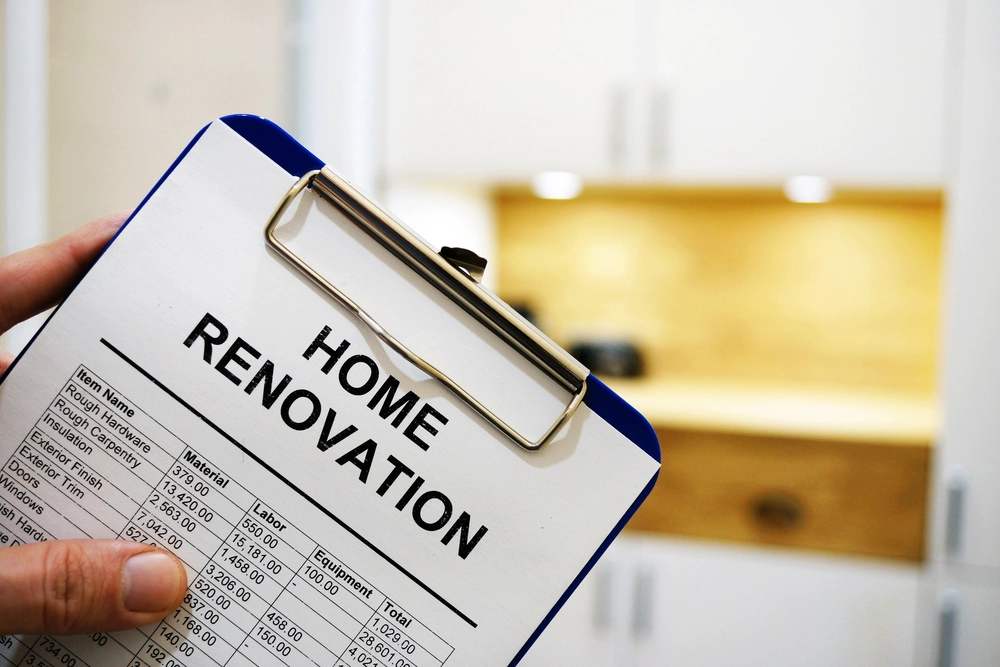

Your neighbor hired the cheapest contractor. Three months later: Project abandoned, permits never pulled, $30,000 gone, and now they’re hiring an attorney.
Choosing the wrong remodeling contractor doesn’t just waste money; it can leave your home in worse condition than when you started. We’ve seen Fresno County homeowners lose thousands by trusting unlicensed contractors, vague estimates, and “too good to be true” promises.
After 15+ years and hundreds of successful projects, we know exactly what makes a contractor trustworthy and what warning signs to avoid. Here’s your hiring checklist to separate the professionals from the pretenders.
Start Here: Non-Negotiable Contractor Requirements
Before you even discuss your project, verify these basics:
Valid Contractor License
California requires contractors to be licensed for projects over $500. Check license status at cslb.ca.gov. The license should match the work type (general contractor, electrical, plumbing).
Red flag: “I don’t need a license for this job” or refusing to provide a license number.
Proper Insurance Coverage
Request certificates for general liability insurance (protects your property) and workers’ compensation insurance (protects you from injury claims). Verify coverage is current and adequate for your project scope.
Red flag: “I’m insured” without proof or expired certificates.
Local Business Presence
Look for a physical business address (not just a P.O. box), an established phone number, years in business locally, and a Better Business Bureau rating.
Red flag: No local address, cell phone only, new to the area.
How to Pick a Remodeling Contractor: Best Sources
Personal Referrals
Ask neighbors, friends, and family who’ve done similar work. The specific question to ask is “Would you hire them again?” This is the most reliable source for honest feedback.
Local Building Material Suppliers
Lumberyards and specialty suppliers know who does quality work. Contractors who pay on time and order quality materials earn good reputations.
Online Reviews (Use Carefully)
Check Google Business, Yelp, and Houzz across multiple platforms for consistent reputation. Look for detailed, specific reviews and patterns rather than one-off complaints.
Professional Associations
National Association of Home Builders (NAHB) and National Association of the Remodeling Industry (NARI) membership shows commitment to industry standards.
Where NOT to Find Contractors
Walk away from door-to-door solicitations (especially after disasters), Craigslist ads, windshield flyers, and “I was just working in the neighborhood” pitches.
Most of our clients come from referrals from homeowners who were so satisfied they sent their friends and family to us.
Your Complete Hiring a Contractor Checklist
If you’re finding a good contractor for the first time, it’s easy to feel overwhelmed by quotes, timelines, and sales talk. That’s why we created this hiring a contractor checklist so you can compare contractors side-by-side, spot red flags early, and feel confident you’re finding a reputable contractor. These hiring a contractor tips will help you avoid expensive mistakes before you sign anything.
Use this checklist to evaluate every contractor you’re considering:
1. License & Insurance Verified
- Valid contractor license (check cslb.ca.gov)
- Current liability insurance certificate
- Workers’ compensation coverage proof
2. References from Recent Similar Projects
Ask for 3-5 references from the past 12 months with projects similar to yours in scope and budget. Call them and ask:
- “Did they complete on time and on budget?”
- “How did they handle problems?”
- “Was the site kept clean?”
- “Would you hire them again?”
Red flag: Can’t or won’t provide references.
3. Portfolio of Completed Work
Review photos of completed projects (before/after). Better yet: permission to visit completed job sites. Look for quality finish work and attention to detail.
Red flag: No photos or only stock images from the internet.
4. Detailed Written Estimate
The estimate should include a line-item breakdown of all costs, a clear payment schedule (never more than 30% upfront), and specified materials with brands and models.
As a general rule, avoid paying more than 30% upfront. A milestone-based payment schedule protects homeowners and keeps work moving forward.
Red flag: Vague one-page estimate with just a total price.
5. Clear Communication Style
The contractor should respond promptly to calls and emails, explain things in clear language, listen to your concerns, and ask thoughtful questions about your project.
Red flag: Hard to reach, dismissive of questions, rushes conversations.
6. Written Contract
Look for detailed scope of work, payment schedule tied to milestones, start and completion dates, change order procedures, warranty terms, lien releases, and dispute resolution process.
Red flag: “Let’s just shake on it” or a boilerplate contract with blanks.
7. Permitting Knowledge
The contractor should know which permits are required for your project, handle permit applications (not “you pull the permits”), understand local building codes, and have relationships with local inspectors.
Red flag: “We don’t need permits” or asking you to pull permits.
8. Realistic Project Timeline
Expect a realistic schedule with specific dates, a phase-by-phase breakdown, an explanation of what could cause delays, and confirmed crew availability to start when promised.
Red flag: “We’ll start next week” without checking the schedule, or a vague “few weeks” timeline.
9. Licensed Subcontractors
The contractor should use licensed subcontractors for specialized trades, have established relationships (not Craigslist hires), provide the sub’s credentials, and be responsible for the sub’s work quality.
Red flag: Uses “a guy I know” for electrical or plumbing work.
10. Warranty & Follow-Up
Look for a written warranty (typically 1 year for workmanship), a clear process for warranty claims, availability for follow-up after completion, and professional handling of punch list items.
Red flag: No warranty or “everything’s guaranteed” without specifics.
11. Professional Appearance
Clean, marked vehicles, professional uniforms or company shirts, organized and maintained tools and equipment, and professional business documents signal a serious operation.
Red flag: Unmarked vehicles, unprofessional appearance, disorganized.
12. Restoration Expertise (For Water/Fire Projects)
For restoration work, verify IICRC certification, experience with insurance claims, moisture detection equipment, mold remediation capability, and understanding of restoration and remodel coordination.
We’re one of the few contractors in Fresno County who seamlessly handle both restoration and remodeling.
What Questions Should I Ask a Remodeling Contractor?
Ask these during your initial meeting so you can compare contractors fairly and spot red flags early.
About Their Business
- How long have you been in business?
- How many projects like mine have you completed?
- Who will be the on-site supervisor for my project?
- Do you work on multiple projects at the same time?
- What’s your typical crew size?
About Your Project
- What challenges do you foresee with this project?
- What permits will be required?
- How do you handle unexpected issues or change orders?
- What’s the realistic timeline for completion?
About Process & Communication
- How often will you provide progress updates?
- How do you handle site cleanliness and protecting the home?
- What hours will your crew be working?
- Where will materials be stored?
- How do you handle disputes or problems if something comes up?
About Money
- What’s your payment schedule?
- How do you price change orders?
- What happens if the project goes over budget?
- Do you offer any financing options?
- What’s included (and not included) in your estimate?
Good contractors will answer confidently and specifically. Poor contractors tend to be vague or defensive. We encourage homeowners to ask tough questions—if a contractor gets defensive, that tells you a lot.
What Are Red Flags When Hiring a Contractor?
Walk away immediately if you see these warning signs:
Financial Red Flags:
- Demands large upfront payment (>30%)
- Only accepts cash or wants payment to personal account
- Pressures you to decide immediately (“This price is only good today”)
- Offers suspiciously low bid (30%+ below others)
- Can’t provide detailed estimate or contract
Credential Red Flags:
- No contractor license or expired license
- Can’t provide proof of insurance
- Refuses to pull permits (“saves you money”)
- No physical business address
- No references or won’t provide them
Communication Red Flags:
- Difficult to reach or doesn’t return calls
- Vague answers to specific questions
- Talks over you or dismisses concerns
- No written contract offered
- Defensive when asked about credentials
Project Red Flags:
- Wants to start immediately (no permits, no planning)
- Uses unlicensed subcontractors
- No warranty offered
- Asks you to buy materials
- Recent negative reviews mentioning similar issues
After Natural Disasters:
- Door-to-door solicitation
- High-pressure “limited time” offers
- “Storm chasers” from out of state
- Offers to waive insurance deductible (insurance fraud)
Trust your instincts. If something feels off, it probably is.
Finding a Good Contractor in Fresno County
Local Factors to Consider:
Fresno County Permits: Know typical permit timelines for your area and verify contractor familiarity with the local building department. Some areas (unincorporated counties) have different requirements.
Climate Considerations: Summer heat affects project scheduling. Contractors should plan around temperature extremes. Water damage restoration requires a quick response.
Insurance Claims: For restoration work, verify experience with major insurance companies and understanding of California insurance requirements and documentation standards.
Service Area: Verify the contractor services your specific area (Fresno, Madera, Kings, and Tulare counties). Local contractors respond faster to problems, and an established local reputation matters.
We’ve worked throughout Fresno County for 15+ years. We know local codes and typical permit timelines and have established relationships with inspectors.

Start Your Project With the Right Contractor
Finding a reputable contractor takes time and research, but it’s the most important decision in your remodeling project. Use this hiring a contractor checklist to verify credentials, ask the right questions, and spot red flags before signing anything.
The cheapest bid is rarely the best value. Focus on finding a contractor with the right credentials, clear communication, and proven track record.
At Central Cal Restoration, we welcome thorough vetting. We encourage you to check our license, call our references, review our insurance, and compare our detailed estimates. That’s how you make an informed decision.
Ready to work with a fully licensed, insured, and experienced contractor in Fresno County? Whether you need restoration, remodeling, or both, we provide the transparency and professionalism you deserve.
Contact Central Cal Restoration at (559) 570-8428.
FAQs: What to Look for in a Remodeling Contractor
What should I look for in a remodeling contractor?
Look for a valid license, proof of insurance, recent references, a detailed written estimate, and a clear contract with scope, timeline, and payment terms.
What questions should I ask a remodeling contractor?
Ask who supervises the job, what permits are required, how change orders are handled, what the payment schedule is, and whether they can provide recent references from similar projects.
How to pick a remodeling contractor the right way?
Compare 2–3 contractors side-by-side and verify licensing, insurance, estimate detail, communication style, and past results, not just price.
What are red flags when hiring a contractor?
Red flags include no license/insurance proof, vague estimates, large upfront payments, refusing permits, high-pressure sales tactics, and cash-only requests.
What is the 30% rule for renovations?
The 30% rule means you should avoid paying more than 30% upfront before work begins. A milestone-based payment schedule is usually the safest option.